In the ever-evolving landscape of finance, technological innovations continue to redefine the way we approach financial management and decision-making. One such groundbreaking development is the integration of ChatGPT for finance, a cutting-edge language model that is revolutionizing the financial industry. Let’s delve into how ChatGPT is reshaping finance and offering unprecedented opportunities for improved communication, analysis, and decision support.
Understanding ChatGPT
Before we explore the applications of ChatGPT in finance, it’s essential to grasp the fundamentals of this transformative technology. ChatGPT, developed by OpenAI, is a state-of-the-art language model built on the GPT-3.5 architecture. It possesses the remarkable ability to understand and generate human-like text, making it an ideal tool for natural language processing and communication.
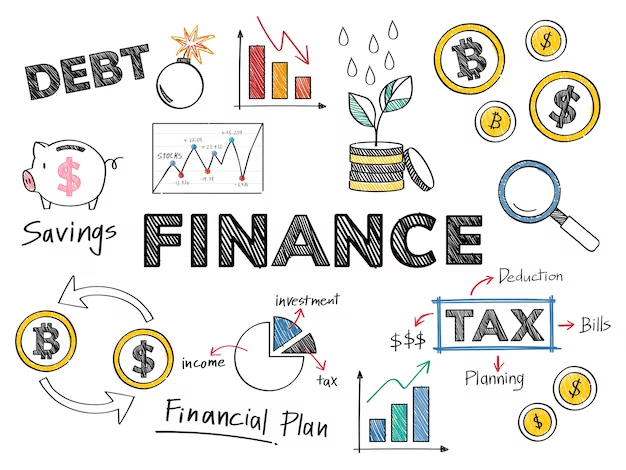
Image source: https://www.leewayhertz.com/chatgpt-for-finance/
ChatGPT for Finance: A Game-Changer in Communication
- Customer Support and Engagement
In the financial sector, effective communication is key to building trust and ensuring customer satisfaction. ChatGPT for finance introduces a new paradigm in customer support and engagement. Financial institutions can utilize this advanced language model to provide instant and personalized responses to customer queries.
For example, a customer inquiring about account balances, transaction history, or even seeking advice on financial planning can interact seamlessly with ChatGPT. The natural language interface enhances the customer experience by delivering accurate and contextually relevant information, ultimately strengthening the relationship between financial institutions and their clients.
- Investment Advisory Services
ChatGPT’s ability to process vast amounts of financial data in real-time makes it an invaluable tool for investment advisory services. Financial advisors can leverage ChatGPT to analyze market trends, assess risk factors, and provide tailored investment recommendations to clients.
By posing questions like “ChatGPT, what are the current market trends in the technology sector?” or “ChatGPT, suggest investment strategies for a moderate-risk portfolio,” financial professionals can harness the model’s analytical capabilities to make well-informed decisions. This not only streamlines the advisory process but also enhances the quality of recommendations provided to clients.
- Simplifying Complex Financial Concepts
Finance is often riddled with complex terms and jargon that may be challenging for the average individual to comprehend. ChatGPT for finance comes to the rescue by simplifying these concepts through natural language explanations. Whether it’s explaining the principles of compound interest or clarifying the intricacies of a financial statement, ChatGPT can break down complex information into easily understandable language.
This capability extends to educational initiatives, where financial institutions can use ChatGPT to create interactive learning experiences for clients, helping them develop a better understanding of financial concepts and investment strategies.
ChatGPT for Finance in Action: A Practical Scenario
To illustrate the practical application of ChatGPT for finance, let’s consider a scenario where a financial institution integrates the language model into its customer service platform.
A customer, eager to understand the implications of a recent economic event on their investment portfolio, engages with ChatGPT. By asking, “ChatGPT, how does the current economic situation impact my investments?” the customer receives a detailed and comprehensible analysis of the situation, including potential risks and recommended strategies to mitigate them.
This real-time, personalized interaction showcases the power of ChatGPT in providing valuable insights and guidance to customers, thereby enhancing their financial literacy and confidence in navigating the complexities of the financial landscape.
Challenges and Considerations
While the integration of ChatGPT for finance offers numerous benefits, it’s essential to address potential challenges and considerations. Data security and privacy, regulatory compliance, and the need for ongoing model training are critical aspects that financial institutions must carefully navigate to ensure the responsible and ethical use of this technology.
Additionally, transparency in communication about the role of ChatGPT in financial interactions is crucial to building trust with clients. Financial institutions should clearly communicate when clients are interacting with the model and when human intervention is required, ensuring a seamless and trustworthy customer experience.
Conclusion
In conclusion, ChatGPT for finance is ushering in a new era of innovation and efficiency in the financial industry. Its applications in customer support, investment advisory services, and simplifying complex financial concepts position it as a transformative tool for financial institutions seeking to stay ahead in a rapidly changing landscape.
As financial professionals continue to explore the possibilities of integrating ChatGPT into their operations, it’s evident that this technology has the potential to redefine how we communicate, analyze data, and make informed financial decisions. With responsible implementation and a focus on ethical considerations, ChatGPT is set to play a pivotal role in shaping the future of finance, offering unprecedented opportunities for growth and collaboration.
 Business Zoe