In today’s rapidly evolving business landscape, staying ahead of the curve requires innovative solutions. One such solution that is gaining increasing prominence is the development of customized ChatGPT apps. These powerful and versatile applications are transforming the way businesses engage with their customers, streamline operations, and enhance their overall efficiency. In this article, we will explore the concept of customized ChatGPT apps, delve into their significance for modern businesses, and understand why they are becoming the go-to choice over one-size-fits-all alternatives. This article will explore the benefits of custom ChatGPT apps and provide use cases for finance, manufacturing, automotive, hospitality, healthcare, information technology, and logistics sectors. We’ll delve into the advantages of tailor-made ChatGPT solutions over off-the-shelf software and lay the foundation for the subsequent industry-specific use cases.
The Rise of Customized ChatGPT Apps
ChatGPT, powered by the advancements in natural language processing (NLP), has emerged as a game-changer in the field of conversational AI. It is designed to engage in human-like conversations, answer queries, and even assist with complex tasks. However, what sets customized ChatGPT apps apart is their tailor-made nature. These apps are designed, trained, and fine-tuned to meet the specific needs of individual businesses and industries.
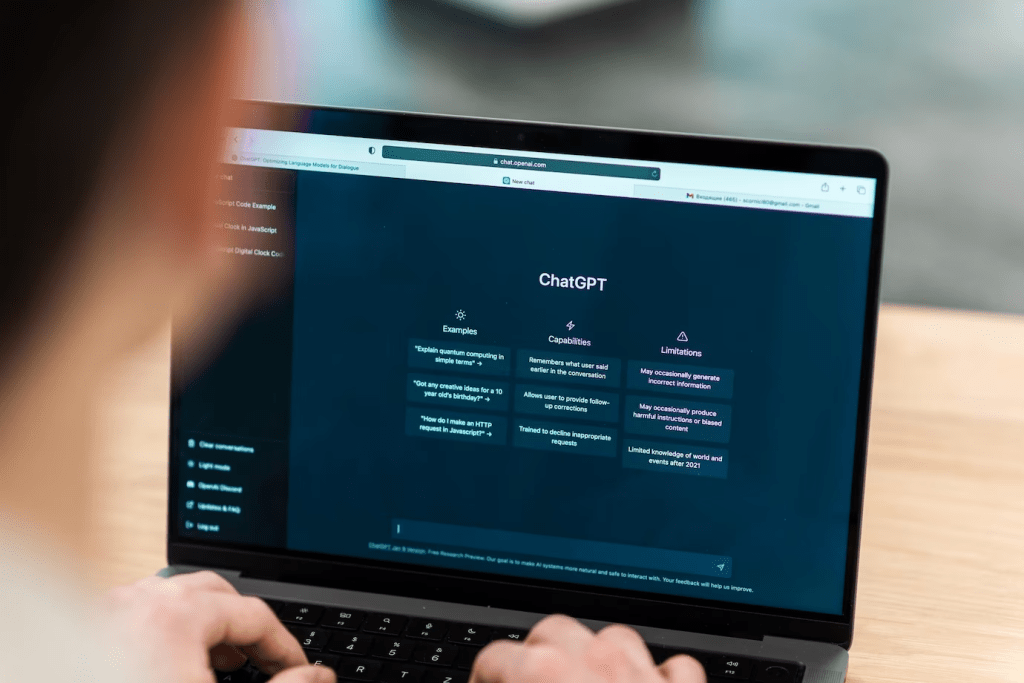
Why Choose Custom ChatGPT Over Standard Solutions
- Personalization: One of the primary reasons businesses are opting for custom ChatGPT apps is the ability to personalize interactions with customers. Standard solutions often fall short in providing a unique and brand-specific experience. Custom apps, on the other hand, can be trained to understand industry-specific jargon, product details, and even the company’s tone of voice, resulting in more engaging and context-aware conversations.
- Industry Relevance: When it comes to addressing the needs of specific industries such as finance, manufacturing, automotive, hospitality, healthcare, information technology, and logistics, one size rarely fits all. Custom ChatGPT apps can be fine-tuned with industry-specific knowledge, making them a valuable asset for businesses with niche requirements.
- Enhanced Efficiency: Customized ChatGPT apps can significantly improve operational efficiency. They can handle routine customer queries, assist with order processing, and even automate tasks, freeing up human resources for more complex and strategic activities. This not only reduces response times but also ensures consistency in customer interactions.
- Data Security and Compliance: For industries like finance and healthcare, data security and compliance are non-negotiable. Custom ChatGPT apps can be designed with robust security measures and compliance protocols, ensuring that sensitive information remains protected and regulatory requirements are met.
Use Cases of Customized ChatGPT Apps
Let’s explore how custom ChatGPT apps are making an impact in various industries:
1. Finance: Custom ChatGPT apps in the finance sector assist customers with account inquiries, transaction history, and financial planning. They can also provide personalized investment advice, helping clients make informed decisions.
2. Manufacturing: In manufacturing, these apps are used to optimize production schedules, monitor equipment health, and assist maintenance teams. They can also facilitate real-time communication with suppliers and customers.
3. Automotive: Custom ChatGPT apps are revolutionizing customer service in the automotive industry. They provide instant support for vehicle troubleshooting, help customers schedule maintenance, and offer personalized recommendations for accessories and upgrades.
4. Hospitality: In the hospitality sector, these apps enhance the guest experience by providing information on room availability, local attractions, and dining options. They can also handle booking requests and special requests, ensuring a seamless stay for guests.
5. Healthcare: Custom ChatGPT apps in healthcare assist patients with appointment scheduling, medication reminders, and symptom analysis. They can also provide medical professionals with quick access to patient records and research materials.
6. Information Technology: IT professionals benefit from custom ChatGPT apps by automating routine troubleshooting, providing instant answers to technical queries, and assisting with network monitoring and cybersecurity tasks.
7. Logistics: Customized ChatGPT apps optimize supply chain operations by providing real-time updates on shipment status, assisting with inventory management, and even predicting demand fluctuations based on historical data.
The Role of ChatGPT in Finance
ChatGPT, driven by advancements in natural language processing (NLP), is designed to engage in human-like conversations, provide responses to queries, and assist with various tasks. When harnessed for finance, it becomes a powerful tool that offers numerous benefits:

- Customer Support: ChatGPT for finance serves as a virtual assistant that is available 24/7 to address customer inquiries. Whether it’s questions about account balances, transaction history, or loan applications, ChatGPT can provide instant, accurate responses.
- Personalized Recommendations: One of the key advantages of ChatGPT for finance is its ability to provide personalized financial recommendations. By analyzing a customer’s financial history and goals, ChatGPT can offer investment advice, savings strategies, and retirement planning tips tailored to the individual’s needs.
- Automation of Routine Tasks: Financial institutions deal with numerous routine tasks, such as processing loan applications, verifying documents, and generating reports. ChatGPT can automate these tasks, reducing manual workload and speeding up processes.
- Enhanced Security: Security is of paramount importance in the finance sector. ChatGPT can be programmed with robust security measures to ensure that sensitive customer data is protected, and compliance with regulatory standards is maintained.
Use Cases of ChatGPT for Finance
- Customer Service and Support: ChatGPT is a valuable addition to the customer service team. It handles routine inquiries, such as account balance checks, fund transfers, and payment processing. This frees up human agents to focus on more complex issues, providing faster response times and improved customer satisfaction.
- Financial Advisory Services: ChatGPT can act as a virtual financial advisor, offering personalized investment advice based on the customer’s financial goals, risk tolerance, and market trends. It can also provide real-time market updates and portfolio recommendations.
- Fraud Detection and Prevention: ChatGPT can be trained to recognize unusual transaction patterns and flag potential fraud. Its ability to analyze vast amounts of data quickly makes it a valuable tool in identifying and mitigating security risks.
- Compliance and Reporting: Financial institutions deal with extensive regulatory requirements. ChatGPT can assist in generating compliance reports, ensuring that the institution adheres to all necessary regulations and guidelines.
- Streamlined Loan Processing: Loan applications often involve extensive paperwork and documentation. ChatGPT can automate the initial stages of the application process, collecting necessary information and verifying documents, speeding up loan approvals.
- Market Analysis: ChatGPT can provide real-time market analysis and insights, helping financial professionals make informed investment decisions. It can analyze news, market trends, and historical data to generate investment recommendations.
Benefits of ChatGPT for Finance
- Cost Savings: By automating routine tasks and providing efficient customer support, ChatGPT can significantly reduce operational costs for financial institutions.
- Improved Customer Experience: Customers appreciate instant responses and personalized recommendations. ChatGPT enhances the overall customer experience, leading to increased loyalty and retention.
- Data-Driven Decisions: ChatGPT can process vast amounts of data and provide insights that can inform strategic decisions, risk assessments, and investment strategies.
- Scalability: As customer demands increase, ChatGPT can easily scale to handle a higher volume of inquiries without compromising on quality.
The Evolution of Manufacturing
Manufacturing has come a long way since the days of manual labor and rudimentary machinery. Today, it relies heavily on automation, data analytics, and advanced technologies to produce goods efficiently and at scale. ChatGPT, powered by natural language processing (NLP) and machine learning, represents the next leap forward in this journey.
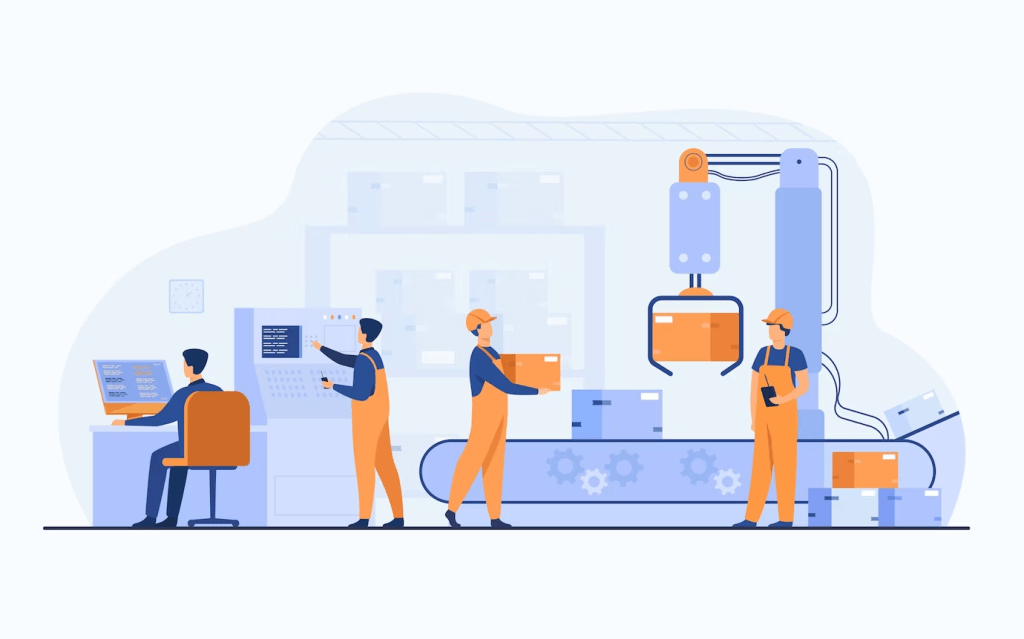
ChatGPT in Manufacturing: How It Works
ChatGPT is a conversational AI model that can understand and generate human-like text responses. In a manufacturing context, it can be integrated into various systems, including human-machine interfaces (HMIs), maintenance tools, and production management software. Here’s how ChatGPT is transforming manufacturing:
- Predictive Maintenance: One of the critical applications of ChatGPT in manufacturing is predictive maintenance. By analyzing sensor data, maintenance logs, and historical information, ChatGPT can predict when machinery and equipment are likely to fail. This enables proactive maintenance, reducing downtime and preventing costly breakdowns.
- Production Optimization: ChatGPT for manufacturing can assist production managers in making real-time decisions to optimize production. It can provide insights into machine performance, material availability, and order prioritization. This results in improved throughput and resource utilization.
- Quality Control: Ensuring product quality is paramount in manufacturing. ChatGPT for manufacturing can assist in quality control by analyzing images and sensor data to identify defects or anomalies in real-time. This helps in early defect detection and reduces the likelihood of producing faulty goods.
- Supply Chain Coordination: In manufacturing, coordinating with suppliers and managing inventory is crucial. ChatGPT can automate communication with suppliers, track inventory levels, and even predict demand fluctuations based on historical data. This results in a smoother supply chain operation.
- Employee Training: ChatGPT can act as a virtual training assistant for new employees. It can provide guidance on machine operation, safety protocols, and troubleshooting procedures. This accelerates the onboarding process and minimizes errors.
Use Cases of ChatGPT for Manufacturing
Let’s explore some specific use cases of ChatGPT in manufacturing:
- Fault Detection: ChatGPT can analyze data from sensors and cameras to identify equipment faults or deviations from optimal operating conditions. This enables quick responses to prevent breakdowns.
- Production Scheduling: ChatGPT can assist in optimizing production schedules by considering factors such as machine availability, workforce capacity, and order deadlines. This ensures efficient resource allocation.
- Inventory Management: ChatGPT for manufacturing can monitor inventory levels and place orders automatically when stock reaches a predefined threshold. This reduces the risk of stockouts or overstocking.
- Energy Efficiency: ChatGPT can suggest energy-saving measures by analyzing data from sensors and historical energy consumption patterns. This helps in reducing manufacturing costs and environmental impact.
- Quality Assurance: ChatGPT can conduct automated quality checks on products using image recognition and data analysis. It can reject or classify products based on predefined quality criteria.
Benefits of ChatGPT for Manufacturing
- Reduced Downtime: Predictive maintenance powered by ChatGPT minimizes unplanned downtime, saving manufacturers significant costs.
- Improved Product Quality: Real-time quality control helps manufacturers produce higher-quality products, reducing defects and associated expenses.
- Enhanced Efficiency: ChatGPT assists in optimizing production, streamlining processes, and improving resource allocation.
- Cost Savings: By preventing breakdowns, optimizing production, and managing inventory efficiently, ChatGPT leads to significant cost savings.
The Automotive Industry in the Age of AI
The automotive industry has been at the forefront of adopting cutting-edge technologies to improve vehicle performance, safety, and user experiences. As vehicles become increasingly connected and autonomous, the need for intelligent and responsive AI-driven systems has become more critical.
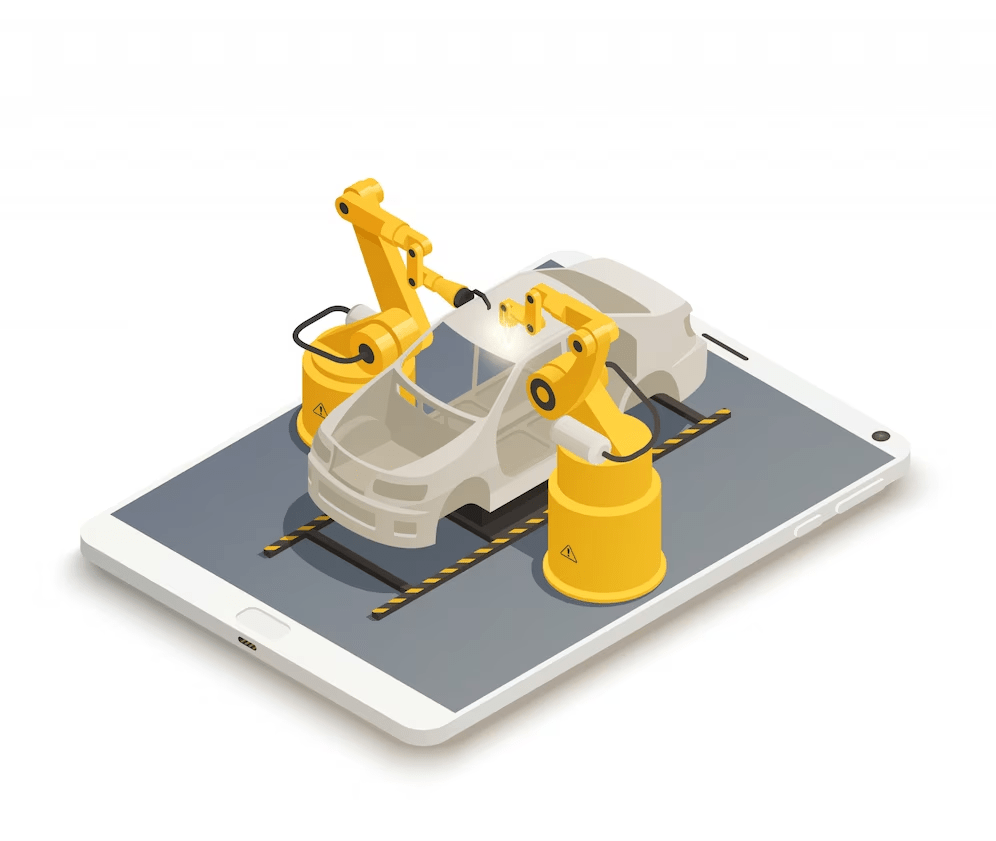
ChatGPT in Automotive: How It Works
ChatGPT is a natural language processing (NLP) model that excels at understanding and generating human-like text responses. In the automotive context, it can be integrated into various applications and systems to deliver a range of benefits:
- Customer Support and Assistance: ChatGPT serves as an intelligent virtual assistant for customers, helping them with inquiries, troubleshooting, and providing guidance on vehicle features and maintenance.
- Design and Development: Automakers are using ChatGPT for automotive to streamline the vehicle design process. Engineers and designers can interact with the AI to brainstorm ideas, conduct simulations, and even receive design suggestions.
- Production Optimization: In manufacturing, ChatGPT assists in monitoring production lines, identifying faults, and providing real-time solutions. It can also optimize production schedules, enhancing efficiency and reducing costs.
- Dealer and Service Center Support: Dealerships and service centers leverage ChatGPT for automotive for immediate responses to customer inquiries regarding vehicle specifications, financing options, and maintenance schedules.
Use Cases of ChatGPT in Automotive
Let’s explore some specific use cases of ChatGPT in the automotive industry:
- Customer Support: Customers can interact with ChatGPT-powered chatbots on automaker websites or mobile apps to get answers to questions about vehicle features, pricing, and availability. This provides a seamless, 24/7 support experience.
- Virtual Showrooms: In the era of online shopping, virtual showrooms powered by ChatGPT offer customers a rich, immersive experience. They can explore vehicles, customize features, and even take virtual test drives.
- Vehicle Diagnostics: ChatGPT for automotive can assist vehicle owners by interpreting diagnostic trouble codes (DTCs) and suggesting potential solutions for common issues. It can also schedule service appointments and provide maintenance tips.
- Design Collaboration: Automotive designers and engineers collaborate with ChatGPT for automotiveto brainstorm ideas, evaluate design concepts, and simulate vehicle performance in various conditions. This speeds up the design iteration process.
- Production Line Assistance: On the production floor, ChatGPT monitors equipment health, detects anomalies, and provides maintenance instructions to minimize downtime. It can also assist in quality control by identifying defects.
Benefits of ChatGPT for Automotive
- Enhanced Customer Experience: ChatGPT-powered customer support ensures prompt responses, leading to higher customer satisfaction and loyalty.
- Streamlined Design: The design process becomes more efficient as ChatGPT helps designers explore ideas and evaluate concepts faster.
- Improved Production Efficiency: Real-time monitoring and optimization result in smoother production processes, reduced downtime, and cost savings.
- Innovative Showrooms: Virtual showrooms powered by ChatGPT provide an engaging and interactive experience for customers, driving interest and sales.
The Changing Landscape of Hospitality
The hospitality industry is no stranger to technological innovation. Over the years, it has embraced online booking systems, mobile check-ins, and smart room controls to enhance convenience and efficiency for guests. Now, with the advent of AI and natural language processing (NLP), hospitality businesses are taking guest interactions to the next level.

ChatGPT in Hospitality: How It Works
ChatGPT is an NLP model capable of understanding and generating human-like text responses. When integrated into hospitality operations, it serves various purposes:
- Enhanced Guest Services: ChatGPT for hospitality can be deployed as a virtual concierge, assisting guests with a wide range of inquiries and requests. Whether it’s room service orders, restaurant recommendations, or local attraction information, ChatGPT provides instant responses.
- Efficient Reservations: ChatGPT for hospitality streamlines the booking process. Guests can make reservations, check room availability, and even receive personalized offers via chatbots on hotel websites or mobile apps.
- 24/7 Customer Support: With ChatGPT, hotels can offer round-the-clock customer support. Guests can get assistance or information at any time, ensuring a seamless and convenient experience.
- Multilingual Support: ChatGPT can communicate in multiple languages, making it an invaluable tool for hotels in international tourist destinations.
Use Cases of ChatGPT in Hospitality
Let’s delve into some specific use cases of ChatGPT in the hospitality industry:
- Virtual Concierge: Guests can use ChatGPT-powered chatbots to request room service, schedule wake-up calls, or inquire about hotel amenities.
- Personalized Recommendations: ChatGPT can offer personalized recommendations for dining, entertainment, and activities based on guest preferences and previous interactions.
- Check-In and Check-Out: ChatGPT for hospitality simplifies the check-in and check-out processes, reducing wait times and enhancing guest convenience.
- FAQs and Information: Guests can obtain information about the hotel’s policies, Wi-Fi access, parking, and more without having to call or visit the front desk.
- Room Control: In smart hotels, ChatGPT can be integrated with room controls, allowing guests to adjust lighting, temperature, and other room features using voice commands.
Benefits of ChatGPT for Hospitality
- Improved Guest Experience: ChatGPT ensures prompt and personalized responses, enhancing guest satisfaction and loyalty.
- Operational Efficiency: It streamlines operations by handling routine guest inquiries, freeing up staff to focus on more complex tasks.
- Cost Savings: Reduced staff workload and improved operational efficiency lead to cost savings.
- Competitive Advantage: Hospitality businesses that embrace ChatGPT gain a competitive edge by offering advanced, AI-driven services.
The Healthcare Landscape and the Need for Innovation
The healthcare industry is known for its complexity, with numerous stakeholders, strict regulations, and a constant demand for high-quality care. Amidst these challenges, healthcare providers are under increasing pressure to deliver exceptional patient experiences while maintaining operational efficiency.

ChatGPT in Healthcare: How It Works
ChatGPT, built on natural language processing (NLP) and machine learning, is capable of understanding and generating human-like text responses. When integrated into healthcare systems, it serves a wide range of functions:
- Patient Engagement: ChatGPT can engage with patients through chatbots or virtual assistants, addressing their queries, scheduling appointments, and providing medication reminders.
- Administrative Support: It streamlines administrative tasks by handling appointment scheduling, insurance inquiries, and billing questions, reducing the workload on administrative staff.
- Clinical Decision Support: ChatGPT assists healthcare professionals by providing quick access to medical literature, treatment guidelines, and diagnostic information. It aids in evidence-based decision-making.
- Telemedicine: In telehealth applications, ChatGPT can serve as a virtual doctor, conducting initial assessments, gathering medical history, and offering preliminary recommendations before connecting patients with healthcare providers.
Use Cases of ChatGPT in Healthcare
Let’s delve into some specific use cases of ChatGPT in the healthcare industry:
- Patient Consultations: Patients can interact with ChatGPT to seek medical advice, discuss symptoms, and determine the urgency of their condition.
- Appointment Scheduling: ChatGPT for healthcare can book appointments, send reminders, and provide information about available time slots.
- Medication Management: Patients receive medication reminders and can ask questions about their prescriptions and potential side effects.
- Medical Literature Access: Healthcare professionals can access medical journals, research papers, and reference materials through ChatGPT for healthcare, ensuring they have the latest information at their fingertips.
- Billing and Insurance: ChatGPT assists in explaining billing statements, insurance coverage, and claims processing, reducing patient frustration and improving transparency.
Benefits of ChatGPT for Healthcare
- Enhanced Patient Engagement: ChatGPT for healthcare provides patients with 24/7 access to medical information and support, increasing their engagement in their own care.
- Operational Efficiency: By automating administrative tasks, ChatGPT frees up healthcare staff to focus on patient care, reducing administrative overhead.
- Clinical Decision Support: It empowers healthcare professionals with instant access to relevant medical information, improving the quality of care and reducing diagnostic errors.
- Cost Savings: Healthcare providers can reduce costs associated with manual administrative tasks and improve patient retention.
Challenges and Considerations
While ChatGPT holds immense promise in healthcare, there are challenges to address:
- Privacy and Security: Healthcare data is highly sensitive. Ensuring data privacy and security in ChatGPT interactions is crucial.
- Regulatory Compliance: Healthcare is subject to strict regulations. ChatGPT systems must comply with laws such as HIPAA in the United States.
- Ethical Use: The ethical use of AI in healthcare, including fair and unbiased algorithms, must be a priority.
The Evolving Landscape of IT
Information technology is the backbone of modern businesses. It encompasses network infrastructure, cloud computing, cybersecurity, software development, and more. With the exponential growth of data and the increasing complexity of IT systems, there is a growing need for intelligent solutions that can assist IT professionals in their daily tasks.
ChatGPT in IT: How It Works
ChatGPT is a natural language processing (NLP) model designed to understand and generate human-like text responses. When applied to IT, it serves various purposes:
- Troubleshooting and Issue Resolution: IT professionals can use ChatGPT as a virtual assistant to diagnose and resolve technical issues. It can provide step-by-step solutions for common problems, saving time and reducing downtime.
- Network Management: ChatGPT can assist in network monitoring and management by analyzing network logs, identifying anomalies, and suggesting configuration changes to optimize performance.
- Cybersecurity: ChatGPT helps IT teams stay vigilant against cyber threats by identifying potential vulnerabilities, suggesting security measures, and even conducting simulated attacks to test defenses.
- Automation: ChatGPT can automate routine IT tasks, such as software updates, patch management, and system backups, improving efficiency and reducing human error.
Use Cases of ChatGPT in Information Technology
Let’s explore some specific use cases of ChatGPT in the IT sector:
- Help Desk Support: ChatGPT-powered chatbots can provide instant support to end-users, guiding them through common IT issues and resolving problems without the need for human intervention.
- Network Troubleshooting: IT professionals can consult ChatGPT for troubleshooting network issues, from slow internet connections to complex routing problems.
- Security Incident Response: ChatGPT for information technology assists in identifying and responding to security incidents by analyzing logs, alerting IT teams to suspicious activity, and suggesting mitigation strategies.
- Software Development: ChatGPT can assist developers by generating code snippets, providing documentation, and offering solutions to programming challenges.
- System Administration: System administrators can use ChatGPT for information technology to manage server configurations, deploy virtual machines, and automate routine administrative tasks.
Benefits of ChatGPT for Information Technology
- Efficiency: ChatGPT for information technology automates routine tasks, reducing manual workload and allowing IT professionals to focus on more complex and strategic activities.
- Accuracy: It provides accurate and up-to-date information, reducing the risk of human error in IT operations.
- Cybersecurity: ChatGPT for information technology helps IT teams proactively identify and address security vulnerabilities, enhancing overall cybersecurity posture.
- Cost Savings: By improving efficiency and reducing downtime, ChatGPT contributes to cost savings for IT departments.
Challenges and Considerations
While ChatGPT holds significant promise in IT, there are challenges to address:
- Data Privacy: Handling sensitive IT data requires strict adherence to data privacy regulations and security measures.
- Training and Fine-Tuning: ChatGPT models need to be trained and fine-tuned to understand industry-specific jargon and technical nuances.
- Integration: Integrating ChatGPT into existing IT systems and workflows requires careful planning and implementation.
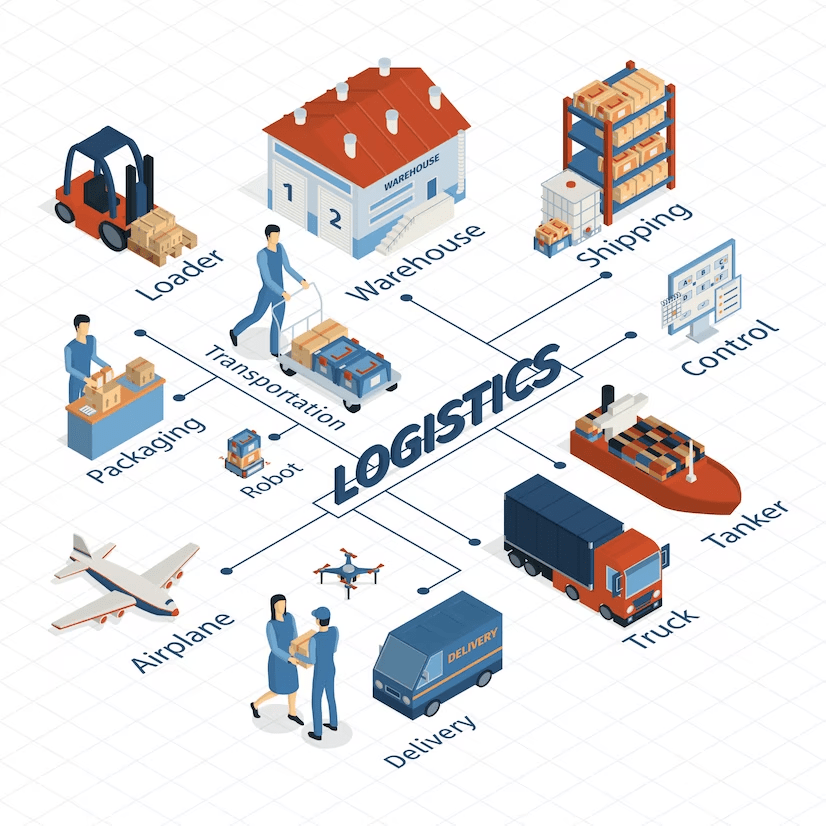
The Dynamics of Modern Logistics
Modern logistics involves intricate coordination of transportation, warehousing, inventory management, and information flow. The demands of e-commerce, global distribution, and just-in-time manufacturing have added layers of complexity to the logistics landscape. This complexity demands intelligent solutions that can assist logistics professionals in making timely and informed decisions.
ChatGPT in Logistics: How It Works
ChatGPT is a natural language processing (NLP) model that excels at understanding and generating human-like text responses. When applied to logistics, it serves various critical functions:
- Inventory Management: ChatGPT for logistics helps in optimizing inventory levels by analyzing demand patterns, suggesting reorder points, and identifying slow-moving items.
- Route Optimization: It assists in optimizing delivery routes, taking into account factors like traffic, weather, and vehicle capacity. This minimizes transportation costs and reduces delivery times.
- Customer Support: ChatGPT-powered chatbots provide customers with real-time tracking information, delivery updates, and support for inquiries and issues.
- Supply Chain Visibility: ChatGPT for logistics enhances supply chain visibility by providing insights into the movement of goods, inventory levels, and potential disruptions.
- Predictive Analytics: It employs predictive analytics to forecast demand, enabling logistics professionals to plan and allocate resources more effectively.
Use Cases of ChatGPT in Logistics
Let’s explore some specific use cases of ChatGPT in the logistics industry:
- Inventory Optimization: ChatGPT for logistics analyzes historical sales data and market trends to optimize inventory levels, reducing carrying costs and stockouts.
- Route Planning: Logistics professionals use ChatGPT to plan optimal delivery routes, taking into account real-time data and constraints.
- Customer Engagement: ChatGPT-powered chatbots engage with customers to provide tracking updates, estimated delivery times, and address delivery-related inquiries.
- Supply Chain Visibility: ChatGPT provides real-time visibility into the supply chain, alerting professionals to potential disruptions or delays.
- Demand Forecasting: By analyzing historical data and market conditions, ChatGPT for logistics assists in accurate demand forecasting, ensuring the right products are available at the right time.
Benefits of ChatGPT for Logistics
- Improved Efficiency: ChatGPT automates routine tasks, reducing manual workload and improving resource allocation.
- Enhanced Customer Experience: Real-time updates and proactive communication improve the customer experience, leading to higher satisfaction and loyalty.
- Cost Savings: Optimized routes, inventory, and resource allocation result in cost savings for logistics operations.
- Data-Driven Decision-Making: ChatGPT for logistics provides data-driven insights, helping logistics professionals make informed decisions.
Challenges and Considerations
While ChatGPT holds significant promise in logistics, there are challenges to address:
- Data Integration: Integrating ChatGPT into existing logistics systems and processes requires careful planning and integration efforts.
- Data Security: Handling sensitive logistics data requires robust data security measures to protect against breaches and data leaks.
- Regulatory Compliance: Logistics companies must adhere to various regulatory requirements when handling customer data and transportation of goods.
Conclusion
Customized ChatGPT apps are at the forefront of digital transformation for businesses across various industries. Their ability to provide personalized, efficient, and secure interactions with customers and stakeholders makes them a valuable asset in today’s competitive landscape. Here we have explored each industry’s use cases in detail, showcasing the real-world impact of these custom ChatGPT solutions.
References used here:
https://www.leewayhertz.com/customized-chatgpt-app/
https://www.leewayhertz.com/chatgpt-for-finance/
 Business Zoe